
Cold Weather Concrete Facts Every Homeowner Should Know

Introduction
Winter weather often raises concerns about concrete driveways, sidewalks, and patios. Unfortunately, many homeowners rely on outdated or incorrect information about winter concrete care, cold weather concrete pouring, and freeze-thaw damage.
In this article, we’ll break down the most common winter concrete myths, explain what’s actually true, and show how proper planning and maintenance can protect your concrete all season long.
❄️ Myth #1: Concrete Can’t Be Poured in Winter
False
Many people believe concrete pouring in cold weather isn’t possible. In reality, professional contractors routinely pour concrete in winter using proven techniques like:
- Heated water and aggregates
- Cold-weather concrete admixtures
- Insulated curing blankets
Truth: Concrete can be poured safely in winter when temperatures and curing are properly controlled.
🧊 Myth #2: Freezing Temperatures Automatically Ruin Concrete
False
Concrete is only vulnerable if it freezes before it reaches initial strength. Once it cures past that stage, freezing temperatures alone won’t cause damage.
Truth: Early protection during curing prevents freeze damage to concrete.
🧂 Myth #3: Salt Is Safe for All Concrete
False
Many de-icing products, especially those with calcium chloride, can:
- Cause surface scaling
- Accelerate concrete cracking
- Reduce long-term durability
Truth: Use concrete-safe deicers or sand to reduce winter concrete damage.
🧱 Myth #4: Cracks Always Mean Structural Failure
False
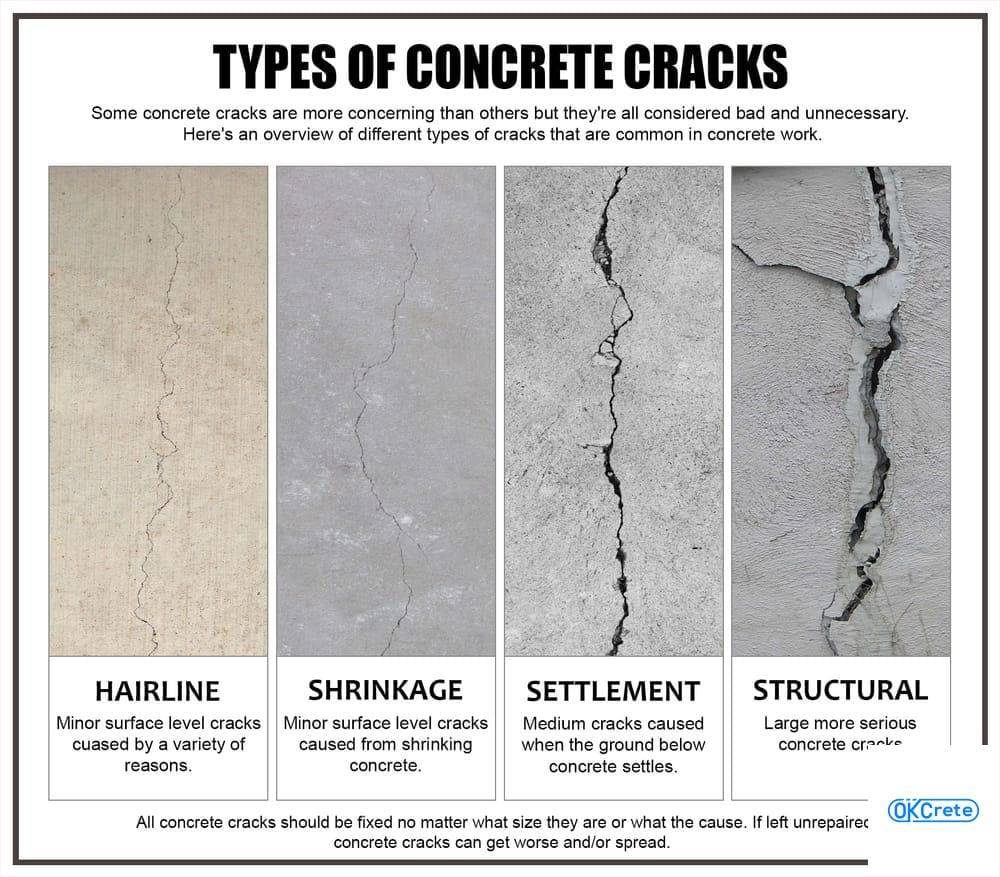
Winter cracks are often:
- Hairline cracks
- Caused by shrinkage or freeze-thaw cycles
- Cosmetic rather than structural
Truth: Not all cracks are serious, but monitoring winter concrete cracking is important.
🛠️ Myth #5: Concrete Shouldn’t Be Repaired Until Spring
False
Certain winter concrete repairs—like joint sealing or minor patching—can be done using cold-weather materials.
Truth: Waiting too long can allow moisture intrusion, making damage worse by spring.
🌨️ Myth #6: Snow and Ice Don’t Affect Concrete
False
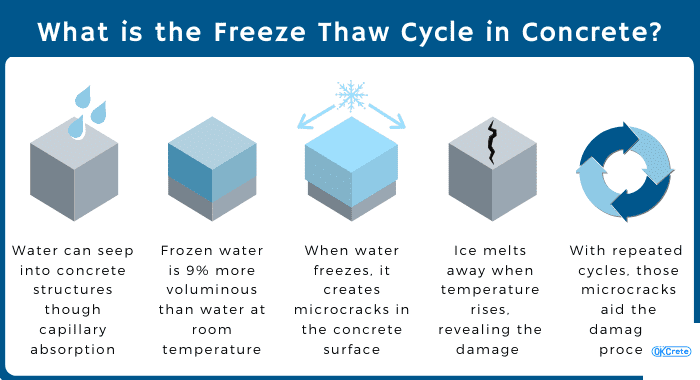
Snow melts into concrete pores, refreezes, and expands. Over time, this freeze-thaw cycle weakens concrete surfaces.
Truth: Snow and ice are major contributors to concrete damage in winter.
Conclusion
Understanding the truth behind winter concrete myths helps homeowners make better decisions, avoid costly repairs, and extend the life of their concrete. Cold weather doesn’t automatically damage concrete—misinformation does.